

Free & Open Source Best for: Network administrators and users needing a versatile, secure, and free VPN solution.
Free for personal and commercial use.
1 screenshot — click to enlarge
 Screenshot 1
 ✓ Pros
- Free and open-source.
- Multi-protocol support (SSL-VPN, OpenVPN, L2TP/IPsec, EtherIP, L2TPv3, MS-SSTP, WireGuard).
- High compatibility with various VPN products and clients.
- Cross-platform (Windows, Linux, Mac, FreeBSD, Solaris, Android, iPhone, iPad, Windows Mobile).
- Faster than OpenVPN.
- Easy to establish remote-access and site-to-site VPNs.
- SSL-VPN Tunneling on HTTPS to pass through NATs and firewalls.
- VPN over ICMP and DNS features to bypass restricted firewalls.
- Ethernet-bridging (L2) and IP-routing (L3) over VPN.
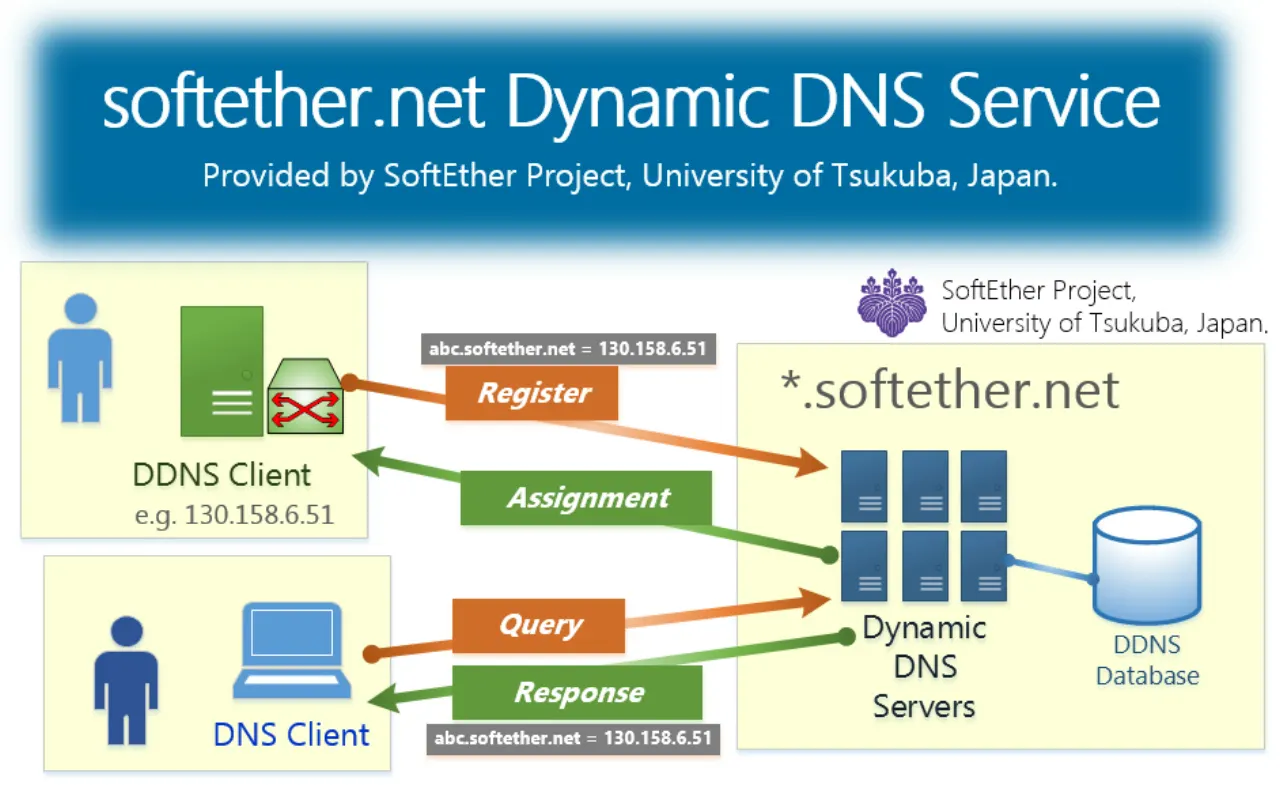
- Embedded dynamic-DNS and NAT-traversal.
- Strong encryption (AES 256-bit, RSA 4096-bit).
- High throughput performance with low memory and CPU usage.
- User-friendly GUI and command-line utility for management.
- Considered safer than hardware VPN products due to open-source nature.
✕ Cons
- Includes support for several outdated and less secure encryption algorithms.
- Users must be careful to avoid selecting weak encryption methods like RC4 or DES.