Introduction
SoftEther VPN is a powerful, free, and open-source multi-protocol VPN software that offers high compatibility, strong encryption, and fast throughput. It provides a robust alternative to tools like OpenVPN, boasting superior speed and a broader range of supported protocols, making it an excellent choice for various network configurations and security needs.
Features
SoftEther VPN provides a comprehensive set of features for secure and flexible VPN deployments:
- Multi-Protocol Support: Supports SSL-VPN, OpenVPN, L2TP/IPsec, EtherIP, L2TPv3, MS-SSTP, and WireGuard, ensuring broad compatibility with existing VPN infrastructure and clients.
- Cross-Platform Availability: Compatible with Windows, Linux, macOS, FreeBSD, Solaris, Android, iPhone, iPad, and Windows Mobile.
- High Performance: Engineered for high throughput performance with efficient use of memory and CPU resources, often outperforming OpenVPN.
- Strong Encryption: Utilizes robust encryption standards such as AES 256-bit and RSA 4096-bit for secure data transmission.
- Firewall and NAT Traversal: Features like SSL-VPN Tunneling on HTTPS, VPN over ICMP, and VPN over DNS allow it to bypass restrictive firewalls and NAT devices.
- Flexible Network Topologies: Enables both Ethernet-bridging (L2) and IP-routing (L3) over VPN connections, facilitating the creation of complex network setups.
- User-Friendly Management: Offers both a graphical user interface (GUI) and a command-line utility for easy setup and administration of VPN servers and clients.
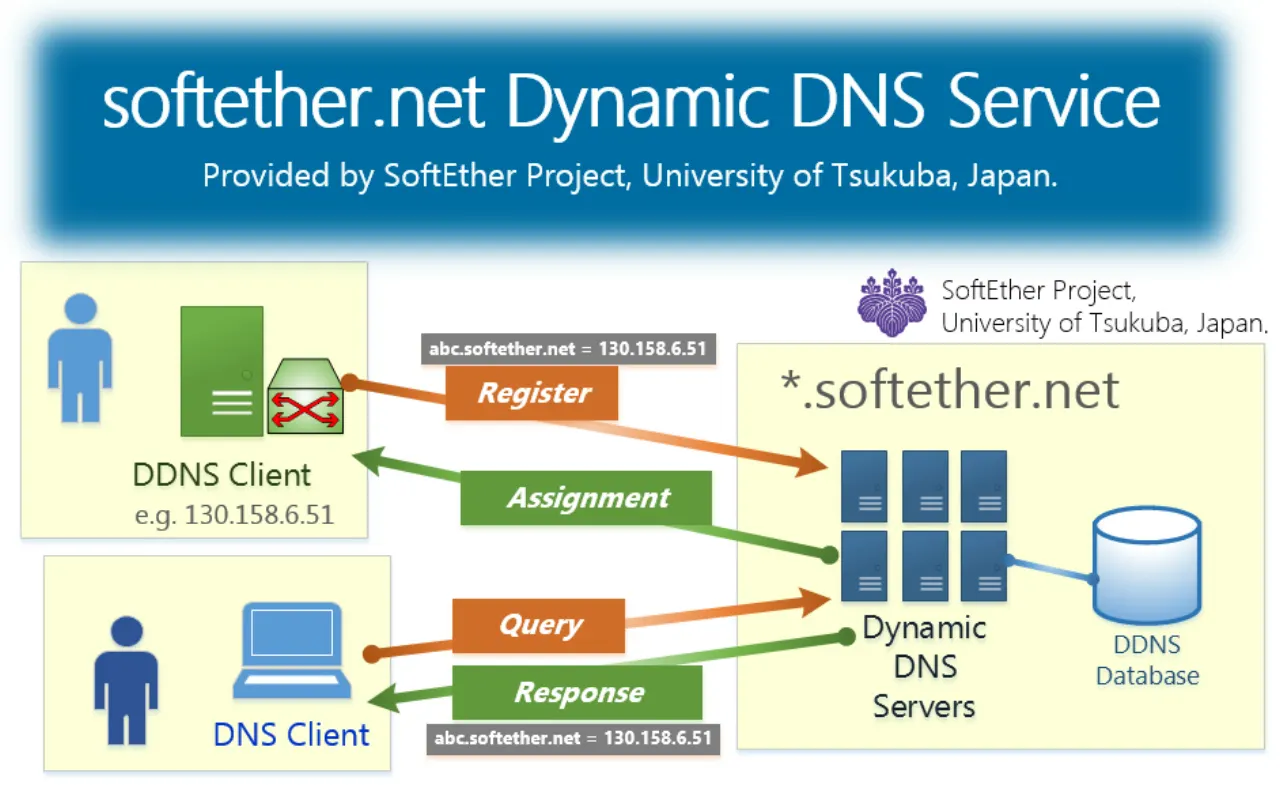
- Embedded Utilities: Includes dynamic-DNS and NAT-traversal functionalities built-in for simplified deployment.
- Open-Source Security: Being open-source, its code can be audited for security vulnerabilities, often considered safer than proprietary hardware VPN solutions.