4 Free & Open Source Alternatives to Gladia (2026)
Compare 4 free and open-source alternatives to Gladia: AssemblyAI, Deepgram, and Speechmatics (+1 more). Pros, cons, pricing, and screenshots tested 2026.
Gladia
Freemium
★
★
★
★
★
4.0
Gladia offers a speech AI and audio intelligence API, built on its Solaria-1 model, for real-time voice applications. It includes speaker diarization and language detection, supports over 100 languages with code-switching, and offers a recurring free tier.
Freemium
4 free options
AI Tools
4 / 5
💡
Why people look for alternatives Gladia has a free tier with limitations. Many users seek fully free or open-source alternatives that offer the same capabilities without paywalled features or usage caps.
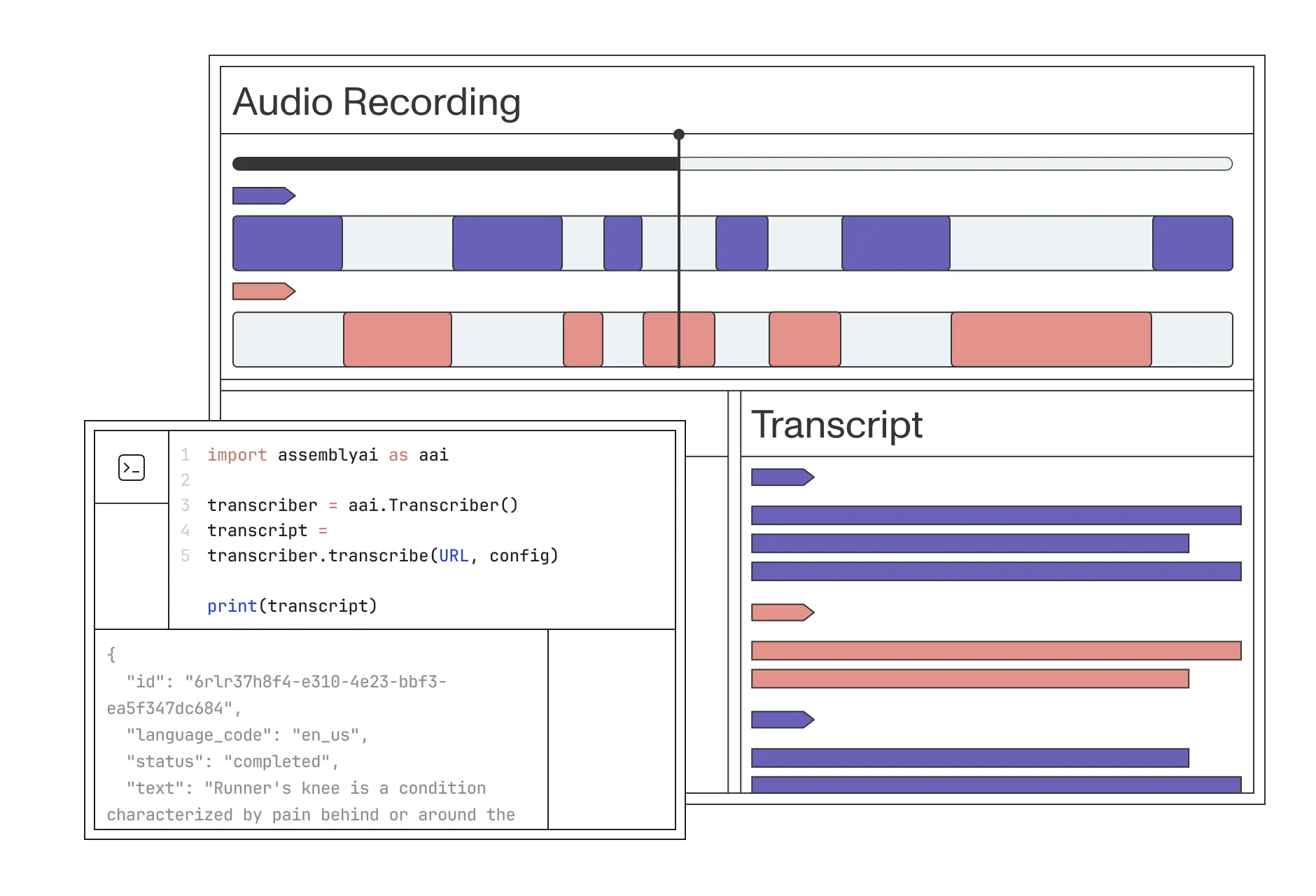
AssemblyAI offers APIs for accurate speech-to-text and advanced audio intelligence, enabling developers to build Voice AI applications with capabilities like summarization, content moderation, and speaker detection.
★
★
★
★
★
4.5
FreemiumBest for: Building applications requiring advanced audio analysis and LLM integration
Free $50 credit for evaluation; pay-as-you-go starting at $0.15/hr for base transcription, with modular add-ons for audio intelligence features.
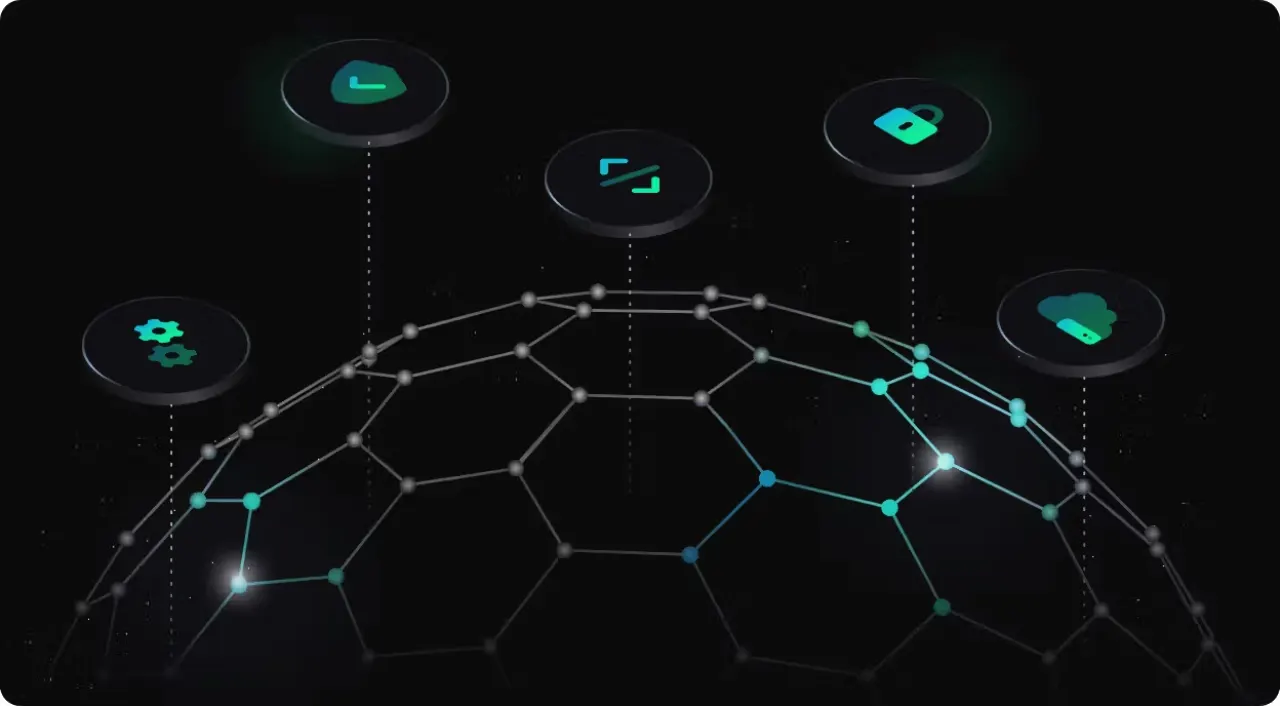
Deepgram is an enterprise-grade voice AI platform offering a suite of APIs for speech-to-text, text-to-speech, and audio intelligence applications, trusted by 200,000+ developers.
★
★
★
★
★
4.5
FreemiumBest for: Developers needing programmatic speech-to-text and real-time streaming
Free $200 credit then pay-as-you-go. Growth plan starts at $4,000/year, Enterprise plan starts at $15,000/year.
3 screenshots — click to enlarge
Screenshot 1Screenshot 2
✓ Pros
High-accuracy transcription
Real-time and batch processing
Scalability and performance
Advanced features like key-term prompting, speaker diarization, smart formatting, redaction
Supports text-to-speech, summarization, sentiment analysis, and intent recognition
Enterprise-grade trust with SOC 2 Type 1 & Type 2 Certified and HIPAA Compliant
Speechmatics is a leading Voice AI company providing accurate, real-time, multilingual speech-to-text and text-to-speech APIs, trusted by enterprises for various use cases including live captioning, voice assistants, and medical transcription.
★
★
★
★
★
4.5
FreemiumBest for: Large enterprises and developers building voice AI products
Free tier offers 480 minutes/month for Speech-to-Text and 1 million characters/month for Text-to-Speech. Paid plans start from $0.24/hour.
3 screenshots — click to enlarge
Screenshot 1Screenshot 2
✓ Pros
Market-leading accuracy across many languages and accents.
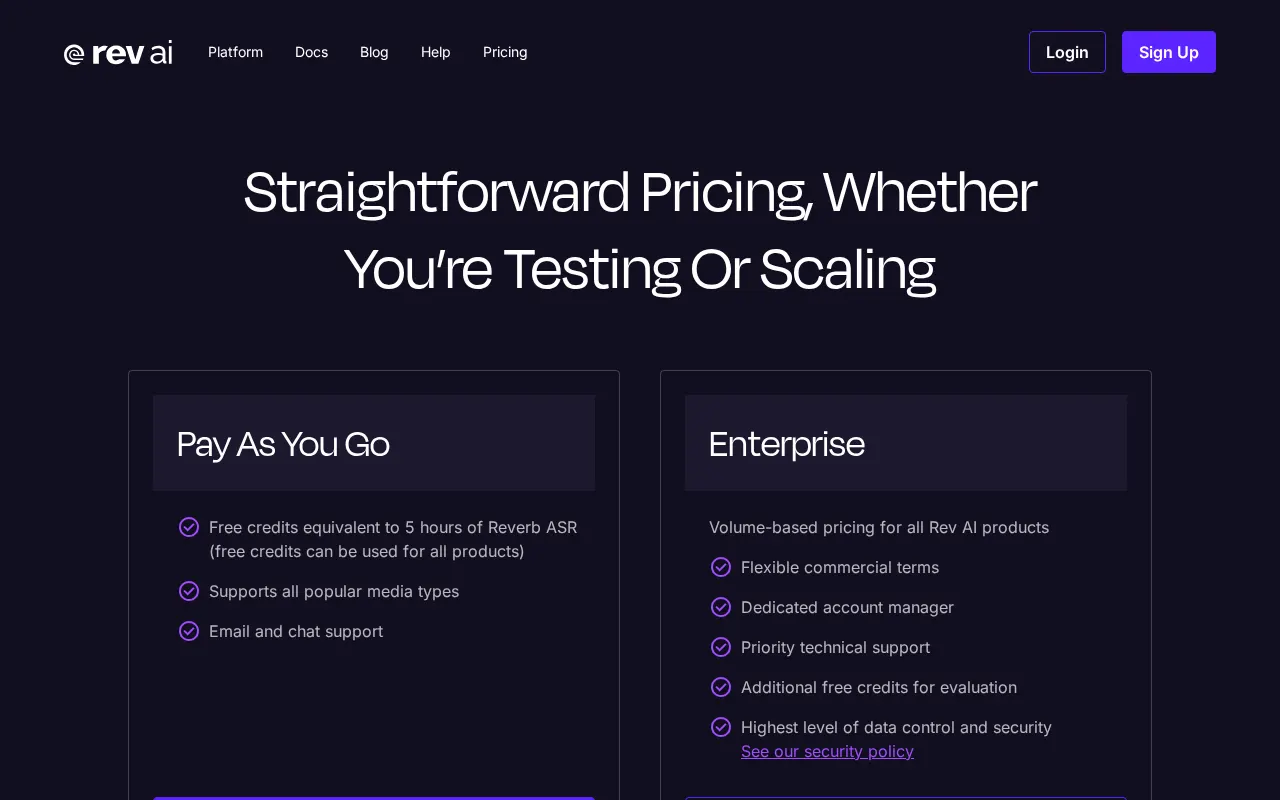
Rev.ai is an API-driven platform offering highly accurate AI and human speech-to-text, captioning, and subtitling for audio and video. It provides flexible deployment and advanced AI insights.
★
★
★
★
★
4.0
FreemiumBest for: Users needing accurate AI/human transcription, captions, and speech analytics.
Permanent free plan with 45 minutes of AI transcription/captions monthly; new users get five free hours of API usage.
2 screenshots — click to enlarge
Screenshot 1Screenshot 2
✓ Pros
Offers both highly accurate AI and human transcription services.
Supports 58+ languages for asynchronous and 9 languages for streaming transcription.
Provides various AI insights including Language Identification, Topic Extraction, and Sentiment Analysis.
Offers flexible deployment options (cloud or on-premise).
High reliability with 99.99% uptime and robust data security (SOC 2 Type II, HIPAA compliant).
Easy API integration with SDKs and comprehensive documentation.
Includes a permanent free plan with 45 minutes of AI transcription/captions per month.
New users receive five free hours of API usage credit.
Does not train external LLMs on user data, ensuring privacy.
Provides open-source ASR and diarization models, and SDKs.
✕ Cons
Pricing structure can be complex.
Real-time streaming is not a primary focus, primarily batch processing.
Some AI speech understanding features may be basic compared to competitors.
Some AI tiers might be less accurate than alternative free tools.
Lacks integrated collaboration features like shared workspaces.
Some links are affiliate. We never accept payment for inclusion or ranking.



 Screenshot 1
  Screenshot 2